Youngsville gives buyers a chance to stay close to Wake Forest while exploring a smaller-town setting, newer communities, established homes, and properties with more room. I help buyers compare those options carefully and understand how each home fits their priorities, budget, and everyday routine.
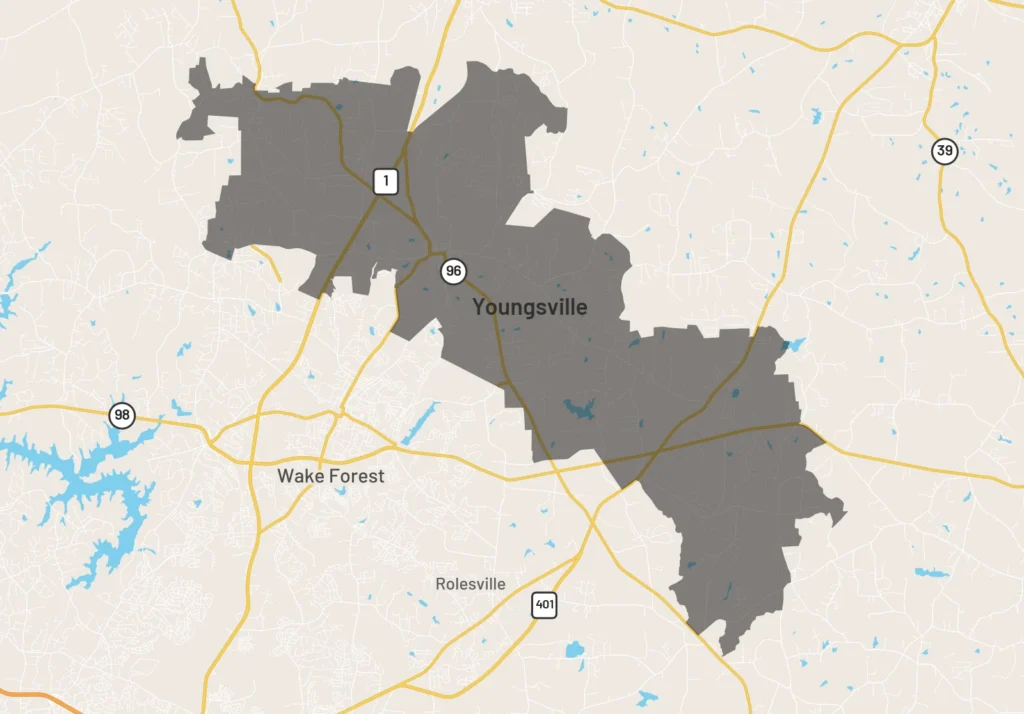
These are the latest Youngsville, NC listings, updated automatically from the MLS. Most inventory is in newer subdivisions, with townhomes starting around the $250s, many single-family homes in the $300s and $400s, and some larger resale homes above that.
Youngsville often becomes part of the conversation when buyers like the Wake Forest area but want to see what changes when they extend their search a little farther north.
And quite a bit can change.
Current Youngsville inventory includes established homes, newer subdivisions, townhomes, new construction, and properties on larger lots. That gives buyers more variety than the size of the town itself might suggest.
One of the biggest mistakes I see buyers make is comparing Youngsville and Wake Forest based only on purchase price. A house may offer more square footage or land for the money, but you still need to consider the complete property and what the location means for your daily routine.
When I help buyers evaluate homes in Youngsville, I want us to look at:
Youngsville is part of the US 1 corridor that connects Raleigh, Wake Forest, Youngsville, and Franklinton, and regional planners continue to coordinate around growth and transportation along that corridor.
That growth matters when buying a home. A quieter setting today does not mean the surrounding area will never change, so I encourage buyers to pay attention to nearby land, road access, planned development, and the broader direction of the community.
I bring more than 10 years of experience as a real estate agent along with more than 20 years of appraisal experience. I do not treat a showing like a formal appraisal, but that background makes me naturally attentive to property characteristics, pricing, and the differences that can influence value.
Youngsville can be a great option for the right buyer. My job is to help you understand why a particular home works for you, rather than assuming that moving farther north automatically makes it the better deal.
Youngsville may be smaller than Wake Forest, but buyers still have several different housing and lifestyle choices to consider. These guides can help you understand the residential options, everyday setting, and how the area compares with nearby communities.
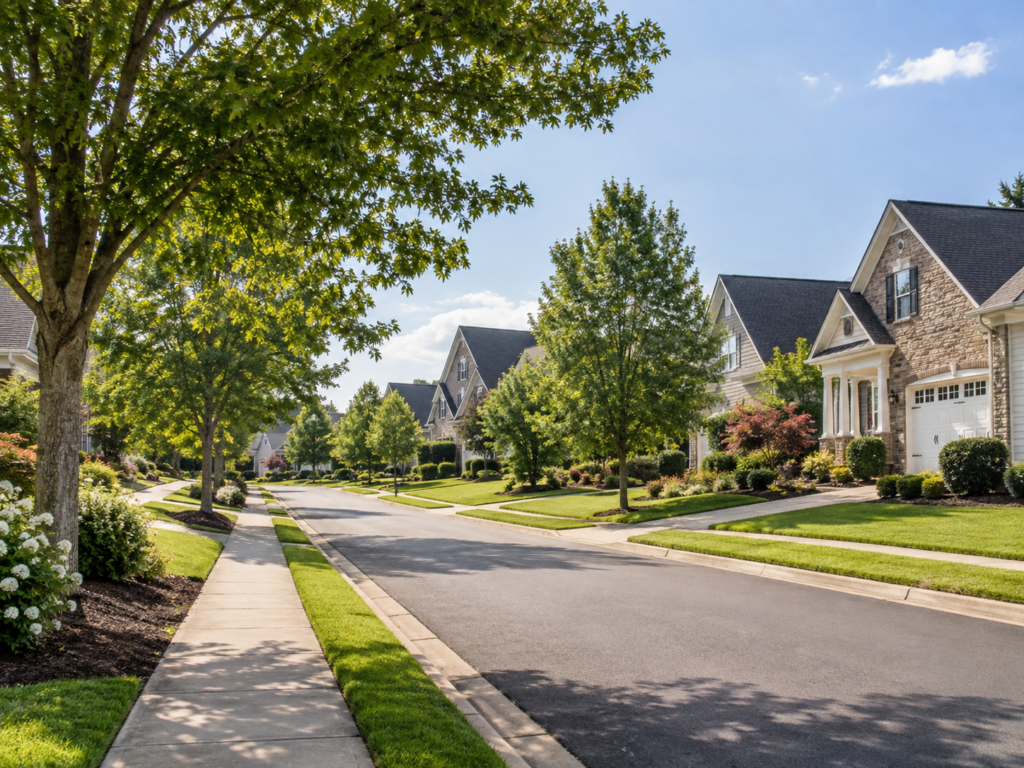
Explore established neighborhoods, newer subdivisions, townhome communities, and larger-lot properties around Youngsville to see how home styles, lot sizes, amenities, and residential settings can differ throughout the area.
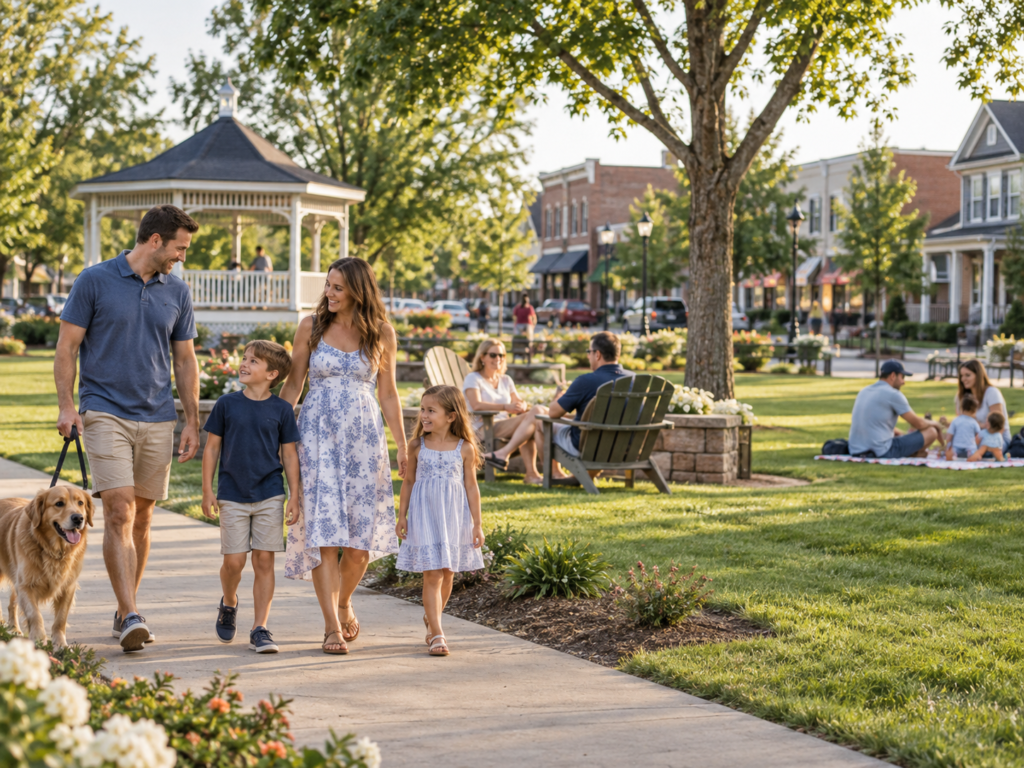
Get a better feel for Youngsville’s smaller-town environment, local businesses, recreation, community activity, and the practical advantages and tradeoffs of living just north of the Wake Forest area.
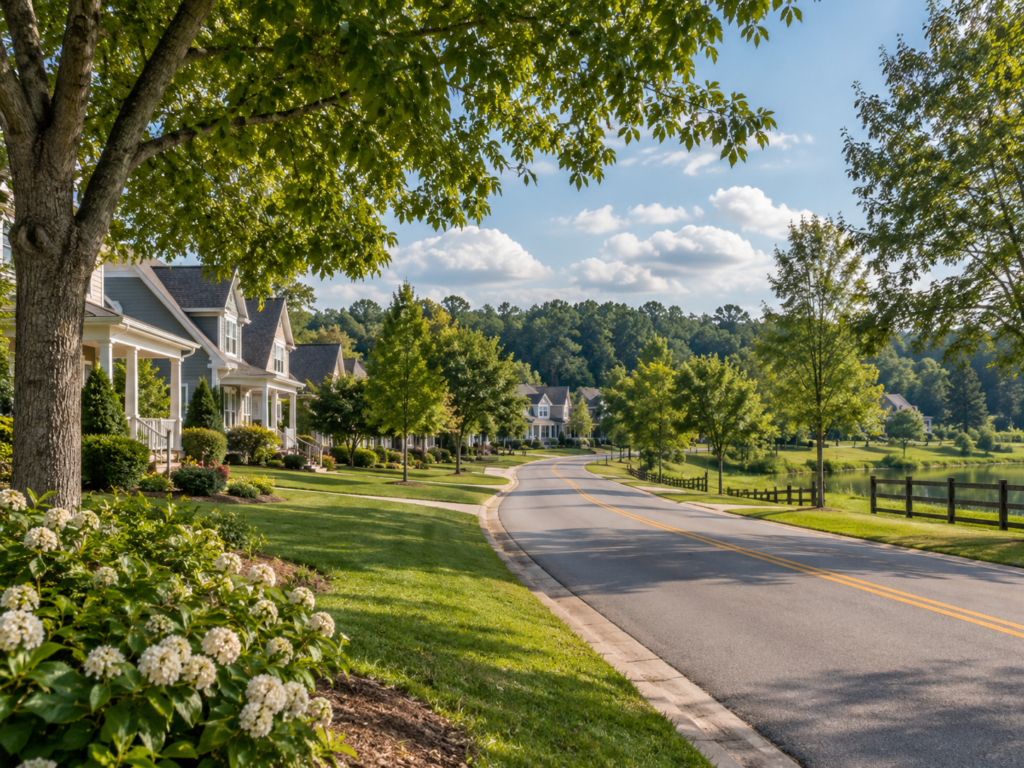
Compare Youngsville with Wake Forest and Franklinton to understand how housing choices, lot sizes, development, location, and everyday travel can change as you move along the US 1 corridor.
Youngsville is a useful example of what is happening just beyond Wake County as residential growth continues north along the US 1 corridor.
The town still has a much smaller scale than Wake Forest, but the housing market around it is increasingly varied. Current inventory includes multiple active new-home communities, townhomes, detached new construction, and resale properties on lots ranging from traditional subdivision sizes to an acre or more.
For buyers, that means the Youngsville search is not just about finding “more space.”
You may be choosing between:
Each comes with different tradeoffs.
A newer subdivision may offer modern layouts and community amenities but also HOA requirements and smaller lots. A home with more acreage may provide privacy and flexibility but require more maintenance. A townhome might simplify upkeep while giving up some of the space another buyer considers essential.
Youngsville’s growth also makes location within the area important.
The town and surrounding jurisdictions participate in ongoing planning for the US 1 corridor because increased development continues to affect land use and transportation.
I want buyers to think about that bigger picture.
What is around the property now? What could reasonably change nearby? How easy is it to reach Wake Forest? Where will you shop, work, and spend most of your time?
Youngsville can offer an appealing balance for buyers who want to remain connected to the Wake Forest side of the Triangle without necessarily buying inside Wake Forest itself.
The important part is deciding whether that balance works for your priorities.

Youngsville can sometimes give buyers different lot sizes, newer construction, or more house than they were finding elsewhere. That is worth considering, but I still want to compare condition, location, neighborhood, commute, maintenance, and resale considerations before deciding which property represents the better fit.
Youngsville and Wake Forest are connected geographically, but the housing choices can feel quite different. I encourage buyers to tour both rather than making assumptions based on a map. Seeing the neighborhoods and properties in person usually makes the tradeoffs much clearer.
Residential growth creates more options, but it can also change roads, traffic patterns, nearby land, and the character of an area. When we look at a Youngsville home, I want us paying attention to the surroundings—not just what is inside the property lines.
If you are moving to the Triangle from another city or state, there is a good chance Youngsville will not be the first place that appears in your research.
Many relocation buyers start with Raleigh or Wake Forest and only discover Youngsville once they begin exploring the communities farther north.
That is one reason I like to start with your priorities rather than a predetermined town.
If you want to stay reasonably connected to Wake Forest but are also interested in newer housing, different lot sizes, or a smaller-town environment, Youngsville may deserve a closer look. The community sits within the same broader US 1 transportation corridor connecting Raleigh, Wake Forest, Youngsville, and Franklinton.
We can compare those locations based on things that actually affect your life:
your budget, the kind of home you want, lot preferences, commute, maintenance expectations, new-construction interest, and where you expect to spend most of your time.
I also regularly help people who cannot be in North Carolina for every showing.
That may mean doing a video walkthrough, going back to check a property detail, taking additional photos or measurements, communicating with a builder, or helping coordinate inspections and walkthroughs while you are still living somewhere else.
You do not have to decide that Youngsville is the right community before we begin.
We can explore it alongside Wake Forest, Franklinton, and the other areas that make sense and let the actual homes help narrow the decision.

One first-time buyer couple I worked with spent about a year searching for their home.
During that time, we toured multiple properties, worked through their questions, and gradually learned more about what actually mattered to them. The goal was never to get them into the first acceptable house. It was to help them recognize the right fit when it finally appeared.
When they did find it, I also helped them work through the offer and negotiate closing costs in their favor to help address some minor repairs.
That experience is a good example of how I approach a Youngsville search.
Expanding your map can introduce more options, but more options are only useful if we understand what you are actually looking for. Sometimes a buyer begins focused on Wake Forest and discovers that a property farther north fits better. Sometimes looking at Youngsville confirms that they prefer staying closer in.
Either outcome helps us make a better decision.
I would rather spend the time learning what works for you than pressure you into a home simply because it checks most of the boxes.
- Verified Google Review
Selling in Youngsville means understanding that your home may be competing with several different kinds of properties.
A buyer could be comparing your resale home with another established property, a newly built home, a townhome, or a house with more land elsewhere in the Youngsville area. Current inventory includes all of those categories.
That makes pricing and positioning especially important.
I help sellers look at relevant recent sales, current listings, property condition, improvements, lot size, neighborhood, and the characteristics that make the home different from what buyers can purchase nearby.
My background includes more than 10 years working as a real estate agent and more than 20 years of appraisal experience. That has taught me to look closely at property differences instead of assuming two homes are comparable simply because they have similar square footage and bedroom counts.
Preparation matters too, but I do not believe every home needs a major renovation before it can sell well.
We can identify the repairs, maintenance items, presentation improvements, or updates most likely to affect how buyers respond and avoid spending money where it is unlikely to make a meaningful difference.
The goal is to understand where your Youngsville home fits in the current market and position it accordingly.
Youngsville currently offers a mix of established single-family homes, newer subdivisions, townhomes, new construction, and properties on larger lots. The available mix can vary substantially depending on price and where within the broader Youngsville area you search.
Yes. New construction is a significant part of the current Youngsville market. Active communities include a mix of detached homes, townhomes, and even age-targeted options, although specific builders, pricing, and availability change over time.
Youngsville generally offers a smaller-town setting and a different mix of housing and lot options, while Wake Forest has a larger commercial and residential footprint. If you are considering both, I recommend comparing actual properties, daily travel, and neighborhood preferences rather than assuming one is automatically a better value.
Both are in Franklin County and sit along the broader US 1 corridor, but the available homes, community settings, and relationship to Wake Forest can differ. If both fit your general search area, it is worth touring properties in each before deciding where to concentrate.
Yes. Current listings include properties with lots substantially larger than a typical subdivision lot, including some around an acre or more. Availability changes, so buyers interested in land should evaluate the actual lot, usability, maintenance, utilities, and surrounding properties rather than focusing only on acreage.
Youngsville and Wake Forest are both part of the US 1 corridor, which connects Raleigh north through Wake Forest, Youngsville, and Franklinton. Actual travel time depends on the property, destination, route, and traffic, so I recommend evaluating location from the specific homes you are considering.
I recommend having your own representation. Builder sales representatives work for the builder. I can help you compare communities, lots, incentives, upgrades, resale alternatives, inspections, walkthroughs, and the overall purchase from your perspective.
Yes. I regularly work with relocation buyers and can help with video walkthroughs, additional property visits, photos, measurements, inspections, builder communication, and comparisons between Youngsville and surrounding communities when you cannot be here for every step.